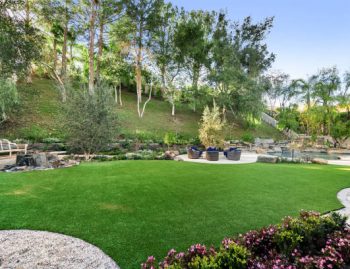

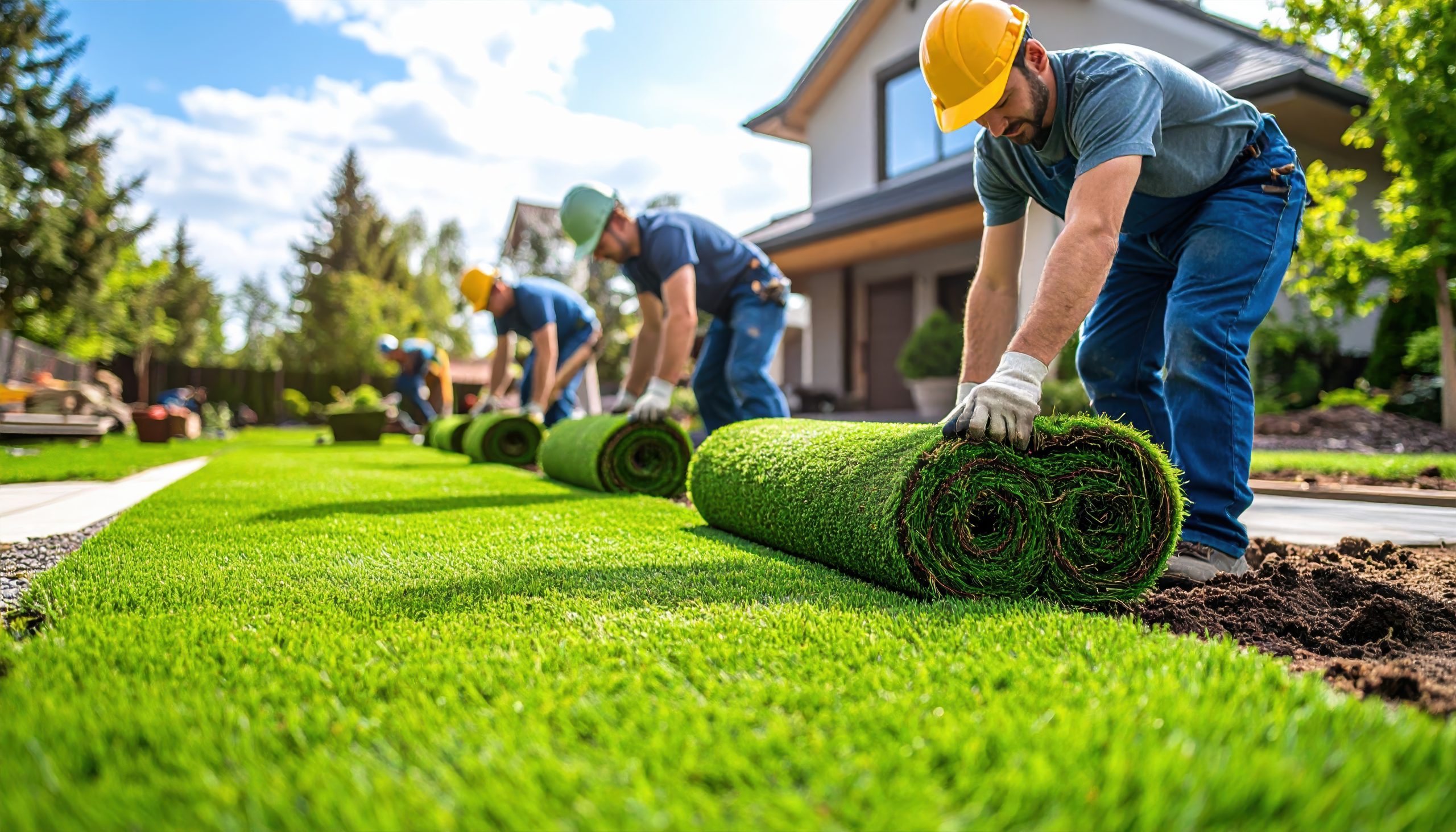
Artificial turf has become a practical alternative to natural grass for homeowners who want an attractive lawn without constant mowing, watering, fertilizing, and seasonal maintenance. However, choosing the right turf is only part of the process. The quality of the artificial turf installation can have a major impact on how the finished lawn looks, performs, and holds up over time.
For homeowners considering a new synthetic grass lawn, one important decision comes first: should you install it yourself or hire a professional? Both options have advantages, but the right choice depends on your property, experience, available tools, and expectations.
What Does Artificial Turf Installation Involve?
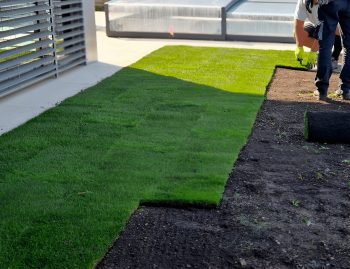
Installing synthetic grass is more involved than simply rolling out a piece of turf. A typical project begins with removing existing grass, vegetation, and unsuitable soil. The area must then be graded and prepared before a stable base material is installed and compacted.
Once the foundation is ready, the turf is measured, positioned, trimmed, and secured. Seams need to be carefully joined so they are difficult to notice, while the edges must be anchored properly to prevent shifting. In many installations, infill is also applied to support the turf fibers and improve the lawn’s overall appearance.
Because preparation is so important, even high-quality artificial turf can produce disappointing results if the installation is rushed or improperly completed.
DIY Artificial Turf: Is It Worth It?
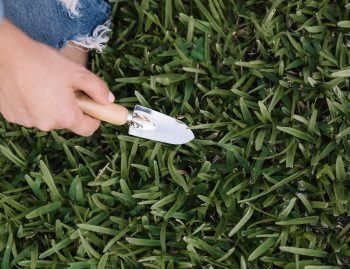
A DIY artificial turf project can be appealing to homeowners who enjoy hands-on work and want to reduce labor expenses. Smaller areas, simple layouts, and homeowners with landscaping experience may be suitable candidates for a do-it-yourself installation.
The biggest advantage is potential savings on labor. You also have complete control over the project schedule and can work through each stage at your own pace.
However, DIY installation requires more than basic landscaping skills. You may need to rent or purchase equipment for excavation, grading, compacting, cutting, and securing the turf. Transporting heavy materials can also be challenging.
Another consideration is the finished appearance. Uneven preparation can result in low spots, wrinkles, visible seams, drainage problems, or turf that moves under foot traffic. Fixing these issues after the turf has been installed may require additional time and expense.
For a small, straightforward project, DIY may make sense. For larger or more complicated spaces, the potential savings should be weighed against the difficulty and risk involved.
Why Consider Professional Artificial Turf Installation?
Hiring a professional installer can provide several advantages, particularly when the project involves a large lawn, unusual landscaping features, slopes, drainage concerns, or multiple turf sections.
Experienced installers understand the importance of proper ground preparation. They can evaluate the existing surface, establish appropriate grades, compact the base, and install the turf so it remains stable and visually consistent.
Professional installation can also improve the appearance of seams and transitions. Precise cutting and careful placement are especially important around patios, walkways, garden borders, trees, and other permanent features.
Another benefit is efficiency. A professional crew already has the necessary tools and experience, potentially reducing the amount of time your property is under construction.
Although professional artificial turf installation generally costs more upfront than doing the work yourself, the investment may be worthwhile when you consider durability, appearance, and the possibility of avoiding costly installation mistakes.
DIY vs. Professional Installation: Which Is Better?
The best choice depends on the circumstances of your project.
DIY installation may be appropriate if you:
- Have a relatively small and uncomplicated area
- Have experience with landscaping or construction
- Can obtain the necessary tools and materials
- Are comfortable with physical labor
- Have enough time to complete the preparation correctly
Professional installation may be preferable if you:
- Have a large lawn or complex layout
- Need extensive excavation or grading
- Have drainage or slope concerns
- Want a highly polished finished appearance
- Prefer to avoid specialized equipment and heavy labor
When comparing artificial turf cost, remember that the price involves more than the turf itself. Base materials, edging, fasteners, infill, equipment rentals, disposal, and labor can all affect the final investment.
How to Get Better Results From Your Turf Project
Regardless of who performs the work, start by choosing turf appropriate for how the area will be used. A lawn designed for pets may have different requirements than turf intended primarily for appearance or light foot traffic.
Proper drainage is also essential. Water needs a suitable path away from the surface, and the underlying base must be prepared correctly for local conditions.
Before beginning an artificial turf installation, measure the area carefully and account for curves, borders, and other features. It is also wise to understand the manufacturer’s installation and maintenance recommendations.
For professional projects, request a detailed estimate that explains what preparation, materials, labor, and finishing work are included.
The Bottom Line
Artificial turf can create a clean, attractive outdoor space while reducing many of the routine demands associated with natural grass. However, the installation process is critical to achieving a long-lasting result.
A confident DIY homeowner may successfully tackle a small and straightforward project, but professional installation can be a better choice when the property requires extensive preparation, precise finishing, or specialized equipment.
Ultimately, the goal is not simply to install synthetic grass. It is to create a stable, well-drained, attractive lawn that performs well for years. Carefully evaluating your skills, project requirements, and artificial turf installation options can help you make the right decision for your property.