

Schools, playgrounds, and daycare centers face unique challenges when it comes to maintaining safe, durable, and attractive outdoor spaces. Natural grass can be difficult to maintain in areas with heavy use, fluctuating weather conditions, and strict safety requirements. That is why many school administrators, municipalities, and childcare facilities are turning to commercial artificial turf from trusted providers like Elite Turf as a practical and cost-effective solution.
Artificial grass from Elite Turf provides year-round usability, enhanced safety, and significant cost savings over time. Whether it is for a playground, a sports field, or general school grounds, there are turf systems specifically engineered to meet the needs of educational environments. This guide will walk through the best artificial grass options for schools and playgrounds, explore safety considerations, compare turf to natural grass, and provide practical advice on choosing and maintaining the right solution.
Why Schools and Playgrounds Need Specialized Turf
Not all turf is created equal. Commercial artificial turf for schools and playgrounds has to meet much higher standards compared to residential lawns. Some of the most important considerations include:
- Durability against heavy foot traffic: Children use playgrounds and sports fields daily, so the turf must withstand constant wear and tear.
- Weather resistance: Turf should remain usable throughout the year, regardless of rain, heat, or cold.
- Safety compliance: The surface must be cushioned and certified to reduce injury risks, especially in playgrounds with climbing structures.
- Maintenance efficiency: Schools need low-maintenance solutions that reduce costs and save staff time.
- Durability against heavy foot traffic: Children use playgrounds and sports fields daily, so the turf must withstand constant wear and tear.
- Weather resistance: Turf should remain usable throughout the year, regardless of rain, heat, or cold.
- Safety compliance: The surface must be cushioned and certified to reduce injury risks, especially in playgrounds with climbing structures.
- Maintenance efficiency: Schools need low-maintenance solutions that reduce costs and save staff time.
These requirements make specialized artificial turf systems a smart investment for educational environments.
Safety Considerations for Playground Turf
Child safety is the top priority when designing playgrounds and school grounds. Artificial turf plays a key role in reducing the risk of injuries and providing a stable surface.
Shock Pad Technology for Fall Protection
Playgrounds often include elevated play structures, swings, and climbing equipment. Shock pad systems installed beneath artificial turf help absorb impact from falls. This reduces the likelihood of serious injuries and ensures the playground complies with industry safety standards.
Meeting Safety Compliance Standards
High-quality turf products for schools are certified under safety organizations such as:
- ASTM International: Provides safety standards for playground surfaces.
- IPEMA (International Play Equipment Manufacturers Association): Certifies that playground surfacing materials meet safety and performance requirements.
When choosing turf, it is essential to verify that the product meets or exceeds these standards.
Non-Toxic and Allergen-Free Materials
Unlike natural grass, which can trigger allergies and require chemical pesticides, commercial artificial turf is made from non-toxic, hypoallergenic materials. This ensures a safer environment for children with sensitivities.
Best Artificial Turf Options for Schools
Different areas of a school or daycare facility may require different turf systems. Below are the top options to consider.
Playground Safety Turf
Playground safety turf is designed with extra cushioning to protect children during play. It is often paired with shock pads and has a softer texture than standard turf. This option is best for daycare centers, preschools, and elementary schools where children are more likely to fall.
Turf with Shock Pads
Turf systems with integrated shock pads provide enhanced fall protection. These are ideal for playgrounds with climbing structures, slides, or elevated equipment. Shock pads not only increase safety but also extend the lifespan of the turf by reducing surface wear.
Low-Maintenance Turf for School Grounds
Schools often spend significant amounts of money and labor hours maintaining lawns. Artificial turf eliminates the need for mowing, watering, fertilizing, and reseeding. For schools focused on sustainability, low-maintenance turf also helps conserve water and reduce reliance on harmful lawn chemicals.
Sports Field Turf
Multi-use athletic fields require turf engineered to withstand running, tackling, and other high-impact activities. Sports field turf is designed with strong fibers, reinforced backing, and excellent drainage. It provides a consistent playing surface for soccer, football, baseball, and physical education classes.
Comparing Natural Grass vs. Artificial Turf for Schools
One of the most common questions administrators ask is whether artificial turf is worth the investment compared to natural grass. Here are the key comparisons:
- Cost-effectiveness: While artificial turf has higher upfront costs, it requires little to no maintenance. Over time, it saves schools thousands of dollars in mowing, watering, and repair.
- Safety: Natural grass can become uneven, muddy, or slippery. Artificial turf provides a consistent and safe surface year-round.
- Playability: Grass fields often need time to recover after heavy use or rainfall. Artificial turf remains usable immediately after storms and can handle constant foot traffic.
- Appearance: Turf maintains a green, manicured look regardless of season or weather.
Long-Term Benefits for Schools and Municipalities
Investing in artificial turf is not just about short-term savings. The long-term benefits include:
- Reduced maintenance budgets: Turf eliminates mowing, watering, and reseeding.
- Sustainability: Schools conserve water and reduce pesticide use.
- All-weather usability: Turf can be used for recess, sports, and events throughout the year.
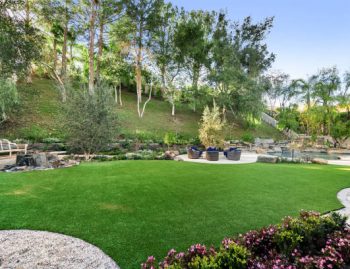
- Improved aesthetics: Consistently green surfaces enhance the school’s curb appeal.
How to Choose the Right Turf for Your School
Every school has different needs, and choosing the right turf system requires careful consideration.
- Budget: Consider both upfront installation costs and long-term savings.
- Age groups: Daycare centers and elementary schools require extra cushioning, while high schools may prioritize sports performance.
- Usage needs: A playground surface will have different requirements than an athletic field.
- Vendor reliability: Work with suppliers that provide certified products, warranties, and professional installation services.
Installation and Maintenance Tips
Proper installation is critical to ensure the safety, durability, and longevity of artificial turf.
Professional Installation vs. DIY Risks
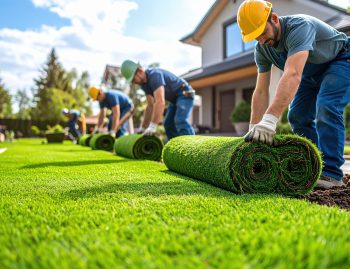
While DIY installation may appear cost-effective, improper drainage, uneven surfaces, and incorrect padding can compromise safety. Professional installation ensures compliance with safety standards and extends the turf’s lifespan.
Drainage Considerations
Playgrounds and sports fields must have adequate drainage systems to prevent water accumulation. Well-designed turf allows rain to drain quickly, keeping surfaces dry and usable.
Maintenance Best Practices
Although turf is low-maintenance, some basic care is necessary:
- Regular brushing to maintain fiber structure
- Periodic cleaning to remove debris and bacteria
- Annual inspection of seams and padding
Final Word-
Artificial turf offers schools and playgrounds a safe, durable, and cost-effective alternative to natural grass. With options such as playground safety turf, shock pad systems, low-maintenance grounds, and specialized sports field turf, administrators can create outdoor spaces that meet both safety requirements and budget goals.
By choosing certified products, ensuring professional installation, and following basic maintenance practices, schools and municipalities can enjoy long-term benefits while providing children with safe and engaging play environments. To learn more about the best options for your facility, contact us today for a consultation and expert guidance.
Frequently Asked Questions
- Is artificial turf safe for children?
Yes. High-quality artificial turf designed for playgrounds and schools is non-toxic, allergen-free, and certified under safety standards like ASTM and IPEMA. - How long does artificial turf last in a school setting?
Most commercial turf systems last 10 to 15 years, depending on usage and maintenance practices. - Does artificial turf get too hot in summer?
Modern turf systems are designed with cooling technology that reduces heat absorption, making them safer for children. Additional shade structures can further improve comfort. - Is turf more expensive than grass?
While the initial installation cost is higher, artificial turf saves money over time by eliminating mowing, watering, and reseeding expenses. - Can turf be used for both playgrounds and sports fields?
Yes. However, different turf systems are engineered for different purposes. Playgrounds require shock absorption, while sports fields need durability and performance.