

Golf lovers often dream of practicing their short game without leaving home. A backyard putting green makes this possible, offering convenience, year-round accessibility, and a unique outdoor feature that adds both recreational and property value. Whether you are a casual golfer or a serious enthusiast, installing a backyard putting green with Elite Turf solutions is one of the best ways to improve your skills and enjoy your outdoor space.
This guide covers everything you need to know about backyard putting green installation. From golf turf options to design considerations, step-by-step installation, maintenance, and budgeting, you will find detailed insights to help you make the right choices for your home project.
Why Install a Putting Green in Your Backyard?
For homeowners who play golf, a backyard putting green offers multiple benefits that go beyond practice.
- Convenience: Practice your short game at any time without commuting to the golf course.
- Skill development: Regular use of a home putting green helps golfers refine putting and chipping techniques.
- Property value: A well-designed putting green is an attractive feature that enhances outdoor living space and increases home appeal.
- Family entertainment: Beyond personal use, a backyard golf area provides fun for family and guests.
- Low-maintenance recreation: Unlike a pool or large landscaping features, a synthetic putting green requires minimal upkeep.
Key Considerations Before Installation
Before starting your backyard putting green project, it is important to plan carefully. The following considerations will help guide your decisions.
Available Space and Layout
Determine how much space you want to dedicate to the putting green. A compact area can still provide excellent practice opportunities, while larger yards may allow for multiple holes and varied contours.
Budget and Long-Term Costs
While installing a putting green is an investment, synthetic turf requires much less ongoing maintenance than natural grass. Consider both upfront installation and long-term upkeep.
Climate and Drainage
Backyard putting greens need proper drainage to prevent water buildup. Climate will also affect your turf selection, as certain products are better suited for hot, cold, or rainy conditions.
DIY vs Professional Installation
Some homeowners attempt DIY installation, but professional installation ensures proper grading, drainage, and turf performance. It also helps maximize the lifespan of the green.
Golf Turf Options for Backyards
Choosing the right turf is one of the most important steps in designing your putting green.
Natural Grass vs Synthetic Turf
Natural grass putting greens look authentic but require constant mowing, watering, fertilizing, and precise maintenance. Without professional care, natural greens can become patchy and inconsistent.
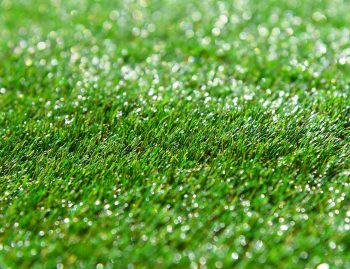
Synthetic putting greens are engineered to mimic the ball roll and feel of natural grass without the upkeep. They offer durability, weather resistance, and consistent playability. For most homeowners, synthetic turf is the best choice.
Synthetic Putting Greens
Modern synthetic putting greens provide:
- Smooth, consistent ball roll similar to professional courses.
- Resistance to wear and tear from frequent use.
- Year-round playability regardless of climate.
- Long lifespans, often lasting 10 to 15 years with proper care.
Custom Golf Turf Options
Homeowners can customize their backyard putting greens to meet specific goals. Popular options include:
- Multiple holes for varied practice.
- Fringe grass around the green for chipping drills.
- Professional-grade turf for serious golfers who want a course-like experience.
Step-by-Step Backyard Putting Green Installation
The installation process requires precision and planning. Below is a breakdown of the typical steps involved in building a high-quality backyard putting green.
Site Preparation
- Measure the area and mark the design layout.
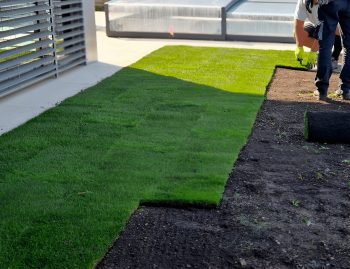
- Remove existing grass, rocks, and debris.
- Excavate the soil to the required depth for base materials.
- Level the ground to create a stable foundation.
Installing Base Materials
- Apply layers of crushed stone or gravel for stability.
- Compact the base material to create a firm, even surface.
- Ensure proper slope for drainage to prevent water pooling.
Turf Installation
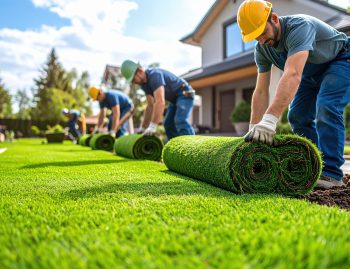
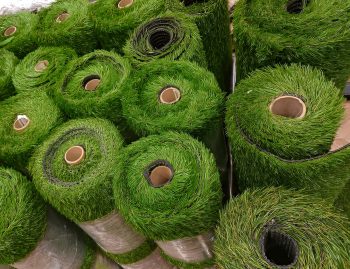
- Roll out the synthetic turf over the prepared base.
- Trim turf edges to match the design layout.
- Secure seams and edges with specialized adhesives or nails.
Adding Cups and Flags
- Cut holes into the turf for cups.
- Place cups at desired locations for realistic play.
- Insert flags to complete the golf course feel.
Final Touches
- Brush the turf fibers to stand upright for a natural appearance.
- Add infill materials if recommended by the turf manufacturer.
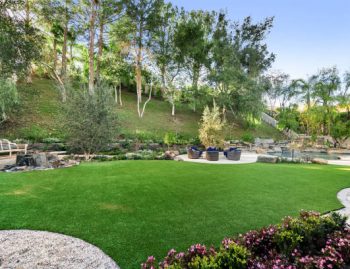
- Incorporate landscaping elements such as rocks, plants, or lighting to enhance aesthetics.
Maintenance Tips for Backyard Putting Greens
Although synthetic turf requires less maintenance than natural grass, some upkeep is essential to preserve playability and appearance.
- Brushing: Regularly brush the turf to keep fibers upright and ensure a smooth putting surface.
- Cleaning: Remove leaves, dirt, and debris to prevent surface damage.
- Weed prevention: Inspect edges and seams for weeds that may grow through cracks.
- Cup maintenance: Check golf cups and replace them if they show signs of wear.
- Sanitizing: Rinse the turf occasionally to eliminate bacteria and maintain cleanliness.
Costs and Budgeting for Installation
The cost of installing a backyard putting green varies based on size, turf type, and installation method.
- DIY installation: Lower initial cost but higher risk of mistakes. May require professional correction later.
- Professional installation: Higher upfront investment but ensures long-term performance, proper drainage, and a polished finish.
On average, small backyard putting greens range from a few thousand dollars, while larger, custom-designed greens with multiple features can cost significantly more. Despite the investment, synthetic putting greens save money over time due to reduced maintenance compared to natural grass.
Benefits of Practicing at Home
A backyard putting green is more than just a luxury. It delivers tangible benefits for golfers of all skill levels.
- Convenient practice: Eliminate the need to travel to golf courses or driving ranges.
- Skill improvement: Regular practice sharpens putting accuracy, consistency, and overall short game performance.
- Stress relief: A quick putting session can be a relaxing way to unwind at the end of the day.
- Family recreation: Even non-golfers enjoy the fun of a personal putting green, making it a versatile outdoor feature.
Conclusion
Backyard putting greens are an excellent investment for homeowners who love golf and want to practice at home. With the right planning, turf selection, and installation, you can create a personal golf practice area that adds value to your property, enhances outdoor living, and provides endless enjoyment.
By selecting high-quality synthetic turf, ensuring proper installation, and following simple maintenance practices, your backyard putting green can deliver consistent performance for years. Whether you want a simple single-hole green or a custom-designed layout with multiple features, the result is a convenient, private, and fun addition to your home.
For expert advice and installation, contact us today to explore the best options for your backyard putting green project.
Frequently Asked Questions
- How much space do I need for a backyard putting green?
Even small yards can accommodate a compact putting green. Larger spaces allow for multiple holes and more variety, but there is no minimum requirement beyond having a flat, usable area. - Is synthetic turf better than natural grass for putting greens?
Yes. Synthetic putting greens require far less maintenance, provide consistent playability, and can be used year-round. Natural grass greens are costly to maintain and often impractical for homeowners. - How long does a synthetic backyard putting green last?
With proper installation and maintenance, high-quality synthetic turf typically lasts 10 to 15 years. - Can I install a putting green myself?
DIY installation is possible but challenging. Professional installation ensures proper grading, drainage, and turf performance, which directly impacts longevity and playability. - How much does it cost to install a backyard putting green?
Costs vary based on size, turf type, and customization. Small greens are relatively affordable, while larger custom designs require a higher investment.